 |

|
 |
he
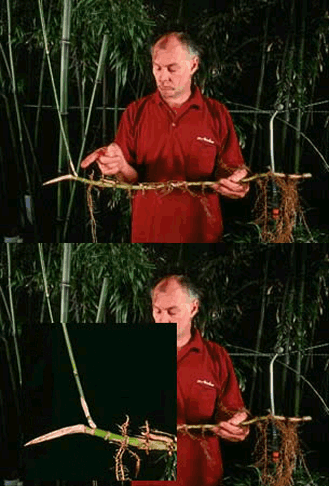
bamboo type with the rhizome that travels underground to emerge at a
distance from the existing culms.
This pattern of growth is known as the
monopodial type, and is commonly found in cool climate countries (i.e.
Japan & China).
The rhizome will travel quite far - depending on the
species - it will often grow over a hundred meters underground.
In a
grove the amount of rhizome intersection is formidable, and this is the
reason why such a subterranean network can hold the ground together so
firmly during earthquakes and is so effective in stopping erosion.
Each joint or node of this spreading underground stem bears a single bud and some of these sprout to grow and become a new bamboo culm. These single sprouts - in Japanese, takenoko or "bamboo children" - already possess the final diameter of the adult culm.
The culms are erect (diageotropic) and are clear of branches for a substantial height.
The theory is that bamboo originally existed only in the monopodial form, which continues growing throughout the year, periods of rhizome growth alternating with those in which new sprouts and culms develop. In the tropics, however, where the rainy season is followed by a long drought, lack of water makes such a growth pattern impossible.
|
|
 |
 |
 |
 |
 |
 |
| Running Bamboo rhizome travels underground to emerge at a distance from the existing culms. Rollover the above image to view a close-up of a Running Bamboo shoot. |
 |
|
| |
|
|